Skeletová náhrada: Co to je, kdy ji potřebujete a co o ní vědět
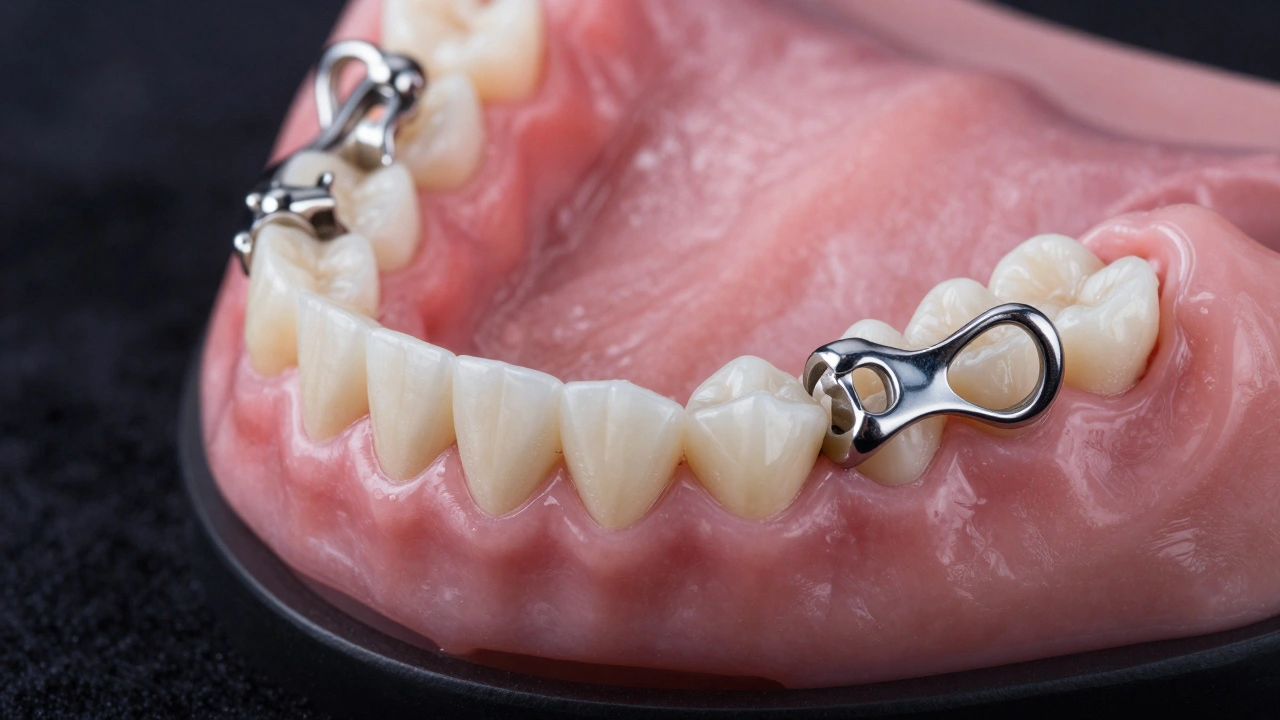
When you lose several teeth, your mouth doesn’t just change in appearance — it changes how you eat, speak, and even how your jaw holds up over time. That’s where a skeletová náhrada, pohyblivá zubní protéza s kovovým rámcem, která je pevně upevněna na zbylé zuby. Also known as částečná protéza, it provides stability without needing implants, making it a practical option for many. Unlike full dentures, it doesn’t cover your entire palate, so you still feel your food better and speak more naturally.
Most people choose a skeletová náhrada after losing molars or front teeth but still have healthy surrounding teeth to anchor it. It’s not just about looks — it’s about function. Without it, your remaining teeth can shift, your jawbone can start to resorb, and chewing becomes harder, which affects digestion and nutrition. Many patients tell us they didn’t realize how much they missed their old chewing power until they got the prosthesis. And unlike fixed bridges, it doesn’t require grinding down healthy neighbors — a big plus for long-term oral health.
The metal framework is usually made of cobalt-chromium, which is lightweight, strong, and biocompatible. The pink acrylic base mimics your gums, and the artificial teeth are made to match your natural shade. It’s removable, so cleaning is simple: just take it out after meals, rinse, and brush it gently. Some people worry it will fall out, but modern designs use precision clasps that hold it securely — you won’t feel it moving when you laugh, eat, or talk.
It’s not for everyone, though. If you have very few remaining teeth or severe gum disease, a skeletová náhrada might not be stable enough. In those cases, zubní implantace, pevné řešení, kde se do čelisti vkládají titanové šrouby, které slouží jako kořeny pro nové zuby is often better. But implants cost more, take longer, and aren’t always covered by insurance. That’s why many patients start with a skeletová náhrada — it’s a reliable, affordable middle ground.
And if you’re thinking about rekonstrukce chrupu, kompletní obnova celého ústního systému, která může zahrnovat několik zubních náhrad, implantátů a korekcí, the skeletová náhrada can be part of a step-by-step plan. Maybe you start with one, then later add implants as your budget allows. Or maybe you use it as a temporary solution while healing after an extraction. It’s flexible, and your dentist will help you decide what fits your life best.
You’ll find posts here that explain how to care for your prosthesis, what to expect in the first weeks, why some people feel uncomfortable at first, and how to spot signs it needs adjusting. We also cover what happens if you delay replacing missing teeth — and why skipping it can cost you more in the long run. Whether you’re considering a skeletová náhrada or just want to understand your options, these articles give you clear, no-fluff answers from real patients and professionals.
Co je skeletová náhrada a kdy se používá?
Skeletová náhrada je lehká a stabilní nasazovací zubní protéza pro lidi se ztracenými zuby, ale stále zdravými zbylými zuby. Je pohodlná, neviditelná a upravitelná, bez potřeby chirurgie.
Oblíbené příspěvky